Effective Strategies to Reduce Interest and Installments
Interest Reduction is a crucial aspect of managing personal finances effectively.
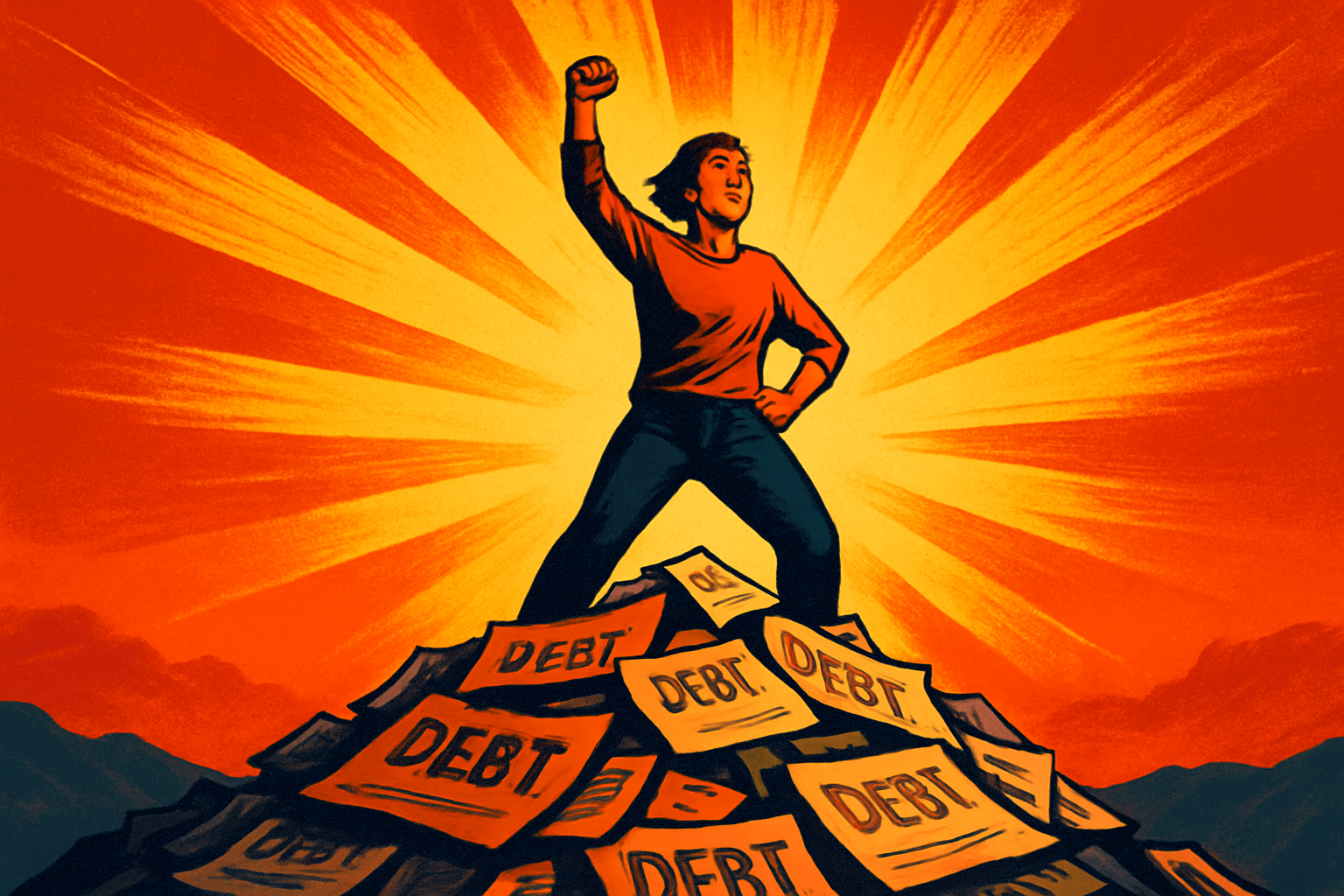
In this article, we will explore essential strategies to help individuals tackle their debt and achieve greater financial stability.
From consolidating loans to leveraging repayment methods such as the debt snowball and avalanche techniques, we will provide actionable insights.
Additionally, we will discuss the importance of improving your credit score and making larger down payments to secure favorable mortgage rates.
By employing these strategies, you can reduce your financial burdens and pave the way for a more secure financial future.
Why Lowering Interest and Installments Matters
Every extra dollar sent to lenders is a dollar that cannot support groceries, savings, or emergencies, so high borrowing costs quietly drain disposable income and make day-to-day budgeting feel tighter than it should.

When households lower interest and monthly installments together, they free up cash flow, reduce the total cost of debt, and create room to build a steadier financial life.
That shift matters because smaller payments can ease pressure immediately, while lower rates can cut thousands in long-term financing charges, improving both resilience and peace of mind.
It also helps borrowers avoid the cycle where one expensive loan crowds out another, leaving little flexibility when life changes unexpectedly.
Borrowers often face rising rates, payment fatigue, credit-score damage, and the stress that comes from watching balances barely move despite years of payments.
Over time, that strain can weaken confidence and push people toward costly short-term fixes.
By contrast, a smarter repayment structure can restore control and make progress visible again.
Later sections will preview the practical tools that make this possible, including consolidation, refinancing, faster payoff strategies, and credit improvements that can unlock better terms through trusted resources such as the Consumer Financial Protection Bureau.
Loan Consolidation for Cost Reduction
Debt consolidation can reduce financial strain by combining several balances into single payment, which makes budgeting simpler and can improve on-time repayment habits.

Moreover, if the new loan carries a potentially lower rate than credit cards or personal loans, more of each payment can go toward principal instead of interest, helping you cut total borrowing costs over time.
This approach often fits borrowers with stable income, manageable debt levels, and enough credit strength to qualify for favorable terms.
However, approval usually depends on credit score, debt-to-income ratio, and overall payment history, so a weaker profile may receive a higher rate instead of savings.
In addition, watch for origination fees, balance transfer charges, and closing costs, because these can offset some benefits.
According to
Bank debt consolidation options and how they work”>U.S. Bank debt consolidation options
Therefore, compare terms carefully before moving forward.
source: Experian
Behavioral Repayment Methods to Cut Debt Costs
Behavioral repayment methods focus on tailoring debt reduction strategies to fit individual personality types and preferences.

By understanding different behaviors and motivations, individuals can choose approaches that resonate with them, leading to more sustainable repayment practices.
For example, some may prefer the debt snowball method for its quick wins, while others might lean towards the debt avalanche method, valuing efficiency and long-term savings.
Applying the Debt Snowball Method
The goal is to make debt repayment feel manageable and measurable, while also reducing the total burden over time.

By targeting smaller balances first, you create fast progress that can lower monthly pressure and keep you committed.
- List every debt from the smallest balance to the largest, including minimum payments and interest rates, so you can see exactly where to start.
- Pay minimums on all accounts except the smallest one, because this protects your credit standing while keeping the plan stable.
- Throw every extra dollar at the smallest debt until it is fully paid, and then roll that payment into the next balance.
- Repeat the process with each remaining debt, so the payment amount grows like a snowball and your overall installments shrink as accounts disappear.
- Track each payoff to reinforce psychological momentum; those quick wins make the method easier to sustain and help you stay focused during longer repayment stretches.
Best practice: avoid adding new debt while you are paying balances down, because fresh charges can undo your progress.
Best practice: review your budget monthly and send any extra income directly to the next target for faster results.
Implementing the Debt Avalanche Method
The Debt Avalanche method prioritizes balances with the highest interest rates first, so each payment attacks the most expensive debt before it can grow further.

As a result, this approach usually reduces total interest paid and shortens the time needed to become debt-free.
For example, if one card charges 24% and another 12%, directing extra money to the 24% balance saves far more than splitting payments evenly.
This strategy works especially well when your goal is minimizing interest rather than chasing quick wins, and it gives you the key advantage of lowering the cost of borrowing while maintaining steady progress across all accounts.
| Method | Estimated Interest Paid |
|---|---|
| Debt Avalanche | Lowest |
| Debt Snowball | Higher |
source: “Do not save what is left after spending, but spend what is left after saving.” — Warren Buffett
Compared with the Snowball method, Avalanche is more mathematically efficient because it targets interest costs first, while Snowball focuses on motivation through smaller balances.
Refinancing Existing Loans
Refinancing an existing loan replaces your current debt with a new one, often to secure a lower interest rate, reduce monthly payments, or extend the repayment term.

However, the best deal depends on more than the headline rate.
Borrowers should compare the fees associated with the new loan, including appraisal charges, origination costs, and possible closing costs, because those expenses can erase part of the savings.
It also helps to calculate the break-even point so you know how long it takes for the lower payment to outweigh the refinance cost.
If you want to review a current option, the Consumer Financial Protection Bureau refinancing guide explains how to evaluate offers and costs before you commit.
Credit-score requirements matter just as much, since lenders usually reserve the lowest rates for borrowers with stronger credit and steady income.
If your score has improved since you opened the original loan, refinancing may unlock better terms; if it has weakened, the new loan could cost more than you expect.
You should also review your home equity, because many lenders want enough equity to offset risk and may limit favorable pricing when equity is thin.
Finally, match the new loan structure to your goals, since a longer term can cut the payment but increase total interest over time
Improving Credit Profiles for Better Rates
Improving a credit profile can quickly lower loan costs because lenders reward lower risk with better rate offers.

A higher score usually signals fewer missed payments, lower balances, and stronger repayment habits, so the lender may approve lower interest rates and smaller installments.
Source: Experian notes that interest rates do not affect credit scores, but credit scores can influence the rates lenders offer
That means the fastest gains come from the habits that move scores most.
First, pay every bill on time, because payment history drives a large share of most scoring models.
Second, keep credit card balances low, since high utilization can drag scores down even when you pay on time.
Third, review your credit reports for errors and dispute anything inaccurate, because a single reporting mistake can hold back your score for months.
- Set automatic payments for at least the minimum due.
- Cut revolving balances below 30%, and ideally lower.
- Check all three credit reports and correct errors fast.
For a deeper benchmark on how scores affect mortgage pricing, see Experian’s credit score and interest rate guide.
Finally, stay consistent, because sustainable improvements create stronger borrowing power over time.
Making a Larger Down Payment on Mortgages
A larger down payment usually improves mortgage pricing because it lowers the loan-to-value ratio, which helps reduce lender risk and can unlock more favorable rates.

When you borrow less, your monthly principal and interest payment also drops, and that savings can compound over the life of the loan.
Borrowers who can reach 20% or more often avoid private mortgage insurance, which further trims the monthly installment.
Source: Consumer Financial Protection Bureau says a larger down payment means you borrow less, so you have less to pay off and smaller monthly payments.
That stronger equity position can also help you qualify more easily if your income is steady but not high, because lenders see a safer loan structure.
The biggest gains often go to buyers with solid cash reserves, strong credit, and a stable budget who want to maximize long-term affordability.
For example, repeat buyers and households that have saved aggressively may see the most noticeable difference in both rate and payment.
By contrast, first-time buyers with limited savings might still prefer a smaller down payment to preserve emergency funds.
Even so, when the cash is available, putting more down can create a lower loan-to-value profile, which often translates into better pricing, less interest paid overall, and greater monthly breathing room.
Everyday Tactics to Ease Monthly Expenses
Daily money pressure often eases when you treat every dollar as assigned work, so start with a budget adjustment that matches real spending, not wishful thinking.

Review subscriptions, bank fees, and routine purchases, then redirect those savings to essentials and debt payments.
At the same time, practice cutting unnecessary expenses by cooking at home more often, limiting takeout, and choosing lower-cost transportation or shared errands.
These small shifts may feel minor, yet they create steady cash flow relief that helps you stay current while reducing balances faster.
Next, use tools that remove friction from your plan, because consistency matters more than intensity.
A reputable option is NerdWallet’s budgeting app guide, which can help you track spending and compare categories in one place.
Pair that with automating payments for minimum amounts and extra debt contributions, so you avoid late fees and protect your credit.
In addition, move due dates closer to payday when possible, since better timing reduces overdraft risk and makes repayment feel more manageable.
Finally, look for ways to widen income without adding major stress.
Sell unused items, freelance a skill for a few hours a week, or offer local services such as tutoring, pet care, or yard work.
Moreover, use any extra earnings for variable expenses first, then debt, so your budget remains stable.
When spending becomes intentional and income becomes more flexible, monthly obligations feel lighter and progress becomes easier to sustain.
In summary, Interest Reduction is attainable through thoughtful planning and strategic choices.
By implementing the methods discussed, you can significantly alleviate financial pressures and move towards a more stable economic life.